Hen Harrier Project Final Report
Over the past six years, the Hen Harrier Project has worked with…

Free training · Autumn 2026 · Manorhamilton · Tralee · Wicklow
Brought to you by
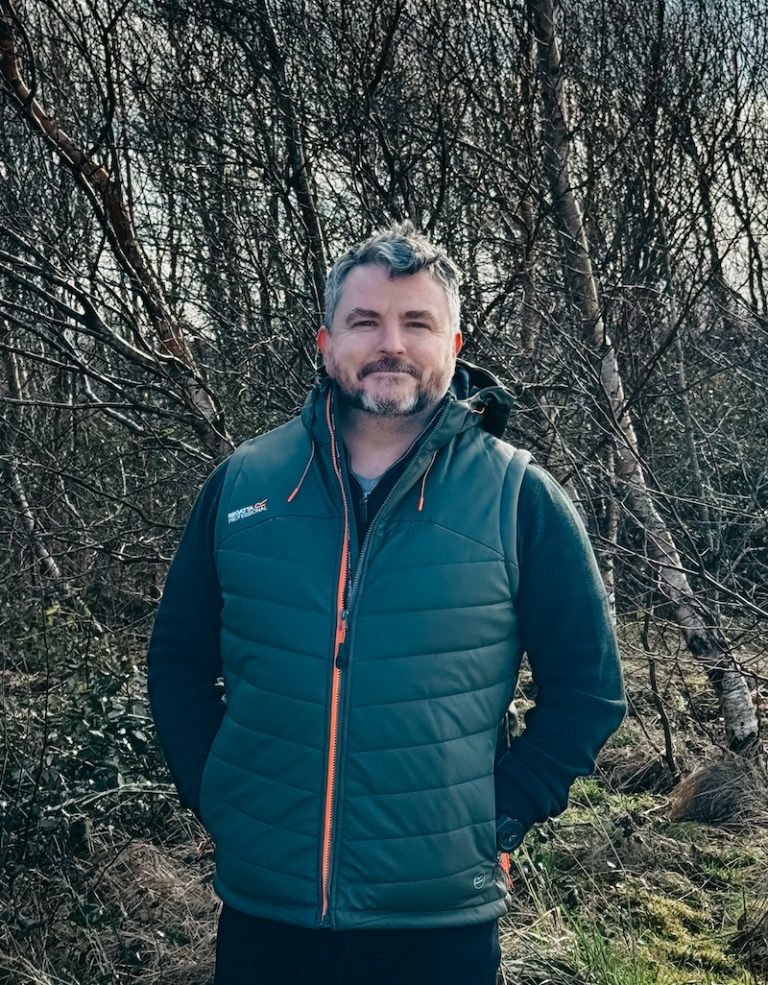
Fergal has 25 years’ experience in the agri-environment sector, including 20 years as a farm advisor working with farmers in High Nature Value areas throughout Ireland. He led the development of the Hen Harrier Project and was instrumental in the introduction of new technologies that enabled the large-scale rollout of the results-based approach. He has a particular interest in engaging communities in the landscape level approach to addressing environmental challenges and in the use of new technologies to support the work of project teams.
Fergal has 25 years’ experience in the agri-environment sector, including 20 years as a farm advisor working with farmers in High Nature Value areas throughout Ireland. He led the development of the Hen Harrier Project and was instrumental in the introduction of new technologies that enabled the large-scale rollout of the results-based approach. He has a particular interest in engaging communities in the landscape level approach to addressing environmental challenges and in the use of new technologies to support the work of project teams.
Caroline was involved in the design and development of the H...
Julien has extensive experience in High Nature Value farmlan...
Shane comes from a farming background and has a degree in Wi...
Clodagh is Deputy Project Manager for the ACRES Breifne Regi...
Chloe has a degree in Agricultural Science from MTU. She is ...
Daniel has a degree in Agricultural Science with experience ...
Naomi has spent the last number of years as a PhD candidate ...
Hugh has an MSc in Applied Environmental Science from UCD an...
Kristina worked on delivering the Hen Harrier Programme, wor...
Tracy holds both a degree and a PhD in Environmental Science...
Eoin works across all the ACRES CP areas and is highly skill...
Dr Paul Naessens manages the drone data acquisition programm...
Brian comes from a farming family in the Wicklow Mountains. ...
Sara Ruas is the Data Manager for all Hen Harrier Programme ...
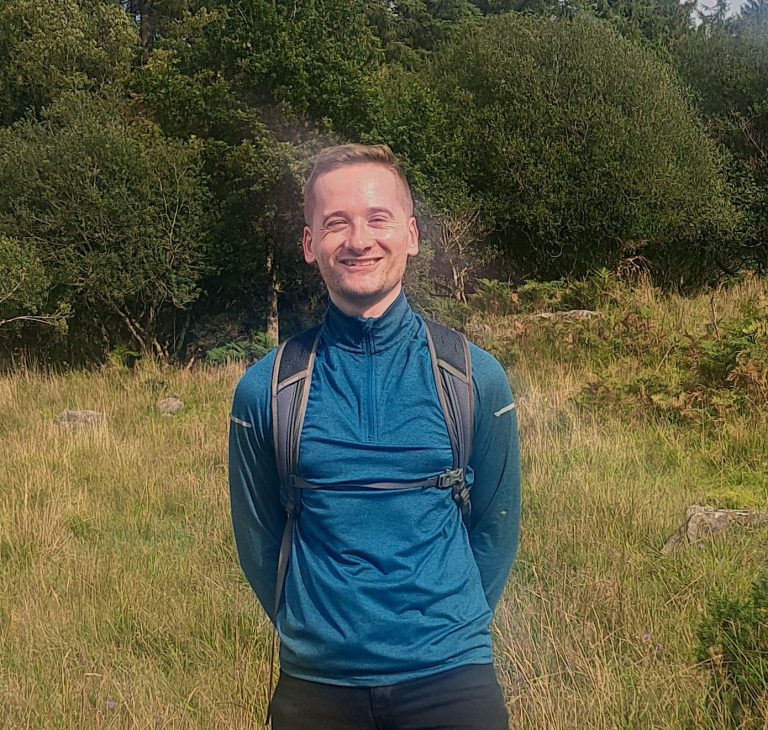
Fionn Murphy is an Environmental Data Management Officer in ...
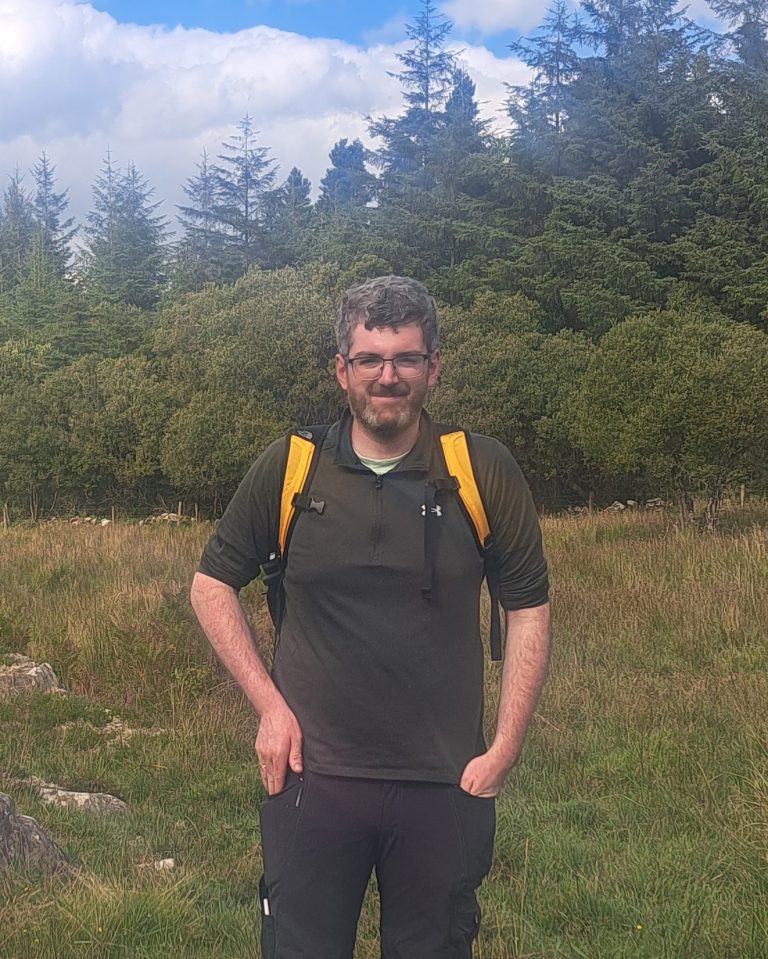
Keith has a degree in Environmental Science from NUIG. Keith...
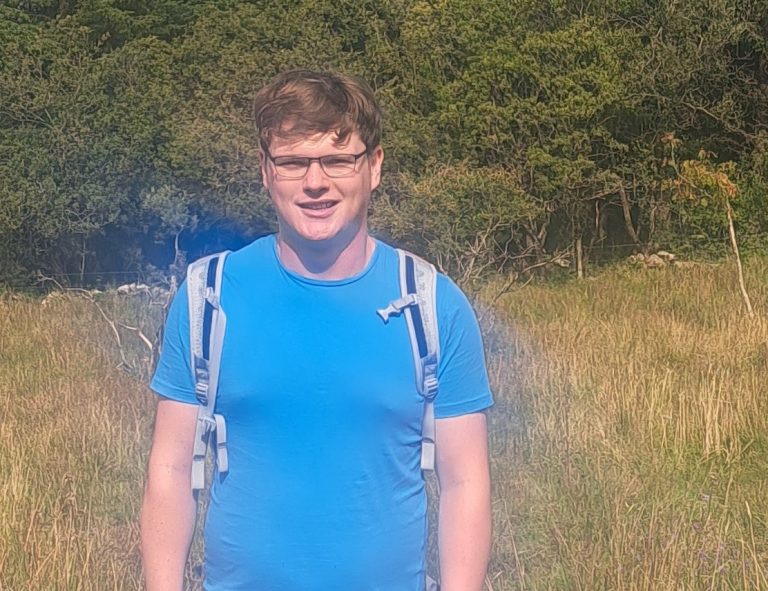
Shane holds a degree in Environmental science from Universit...
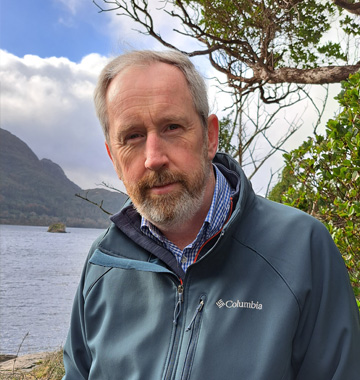
Rory works across all three of the ACRES CP areas in order t...
Aífe is a Leitrim native with a masters degree in Sustainabl...
Noel has a degree in Agricultural Science and a postgraduate...
Kelvin is from a farming family in the Sliabh Luachra/ Mount...
Dr. Rachel Irwin joins the Breifne team, bringing extensive ...
Caroline was involved in the design and development of the Hen Harrier Programme from the beginning, gaining valuable experience running a results-based agri-environment scheme. She has over 15 years’ experience working on High Nature Value farmland in Ireland and Europe including post-doctoral research mapping and describing HNV farmland funded by the Department of Agriculture, Food and the Marine. She has a special interest in supporting HNV farmland habitat recognition and rehabilitation to ensure climate change resilience for future generations.
Julien has extensive experience in High Nature Value farmland and forest systems across Ireland. He has researched the quality and quantity assessment of HNV farmland habitats at national scale, including modelling policy incentives to maintain and enhance their ecosystem services. His wider interests are rural community development, environmental outreach and sustainable development.
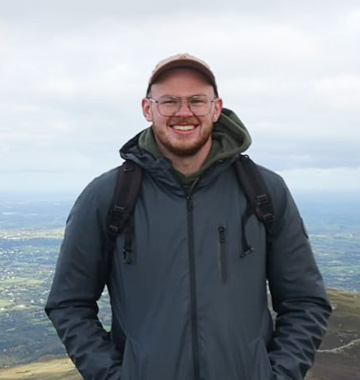
Shane comes from a farming background and has a degree in Wildlife Biology. He has a keen interest in bird ecology and landscape level influence on bird populations. Shane hopes to work alongside farmers within local communities to achieve an economically viable farming enterprise that supports the environment, biodiversity and rural enterprises.
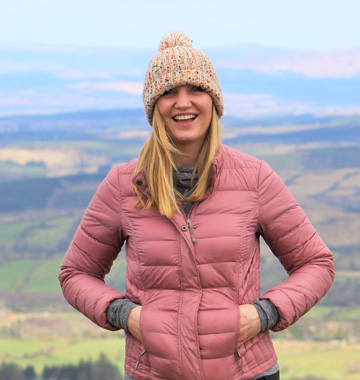
Clodagh is Deputy Project Manager for the ACRES Breifne Region. An experienced field ornithologist whose career has focused on birds for the last five years, Clodagh has a farming background and a Masters Degree in Conservation Behaviour, she is passionate about sustainably maintaining the economic viability of family farms in High Nature Value farmland areas. As a hiking enthusiast based in the region, she also has a great appreciation for the landscape and an interest in the upland management and ecology of the area.
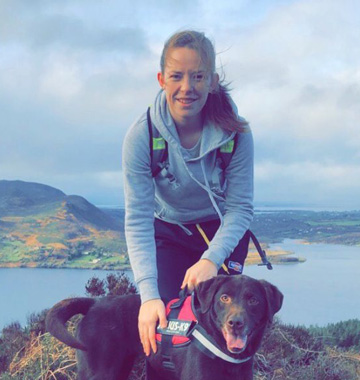
Chloe has a degree in Agricultural Science from MTU. She is also farming in an ACRES Co-operation area in the south of the country giving her practical knowledge of the farming systems in that area. With a background in both Dairy and Beef farming, Chloe enjoys working and engaging with farmers on the ground, supporting them in carrying out their farming practices while also sustaining the invaluable High Nature Value farmlands these farmers operate on.
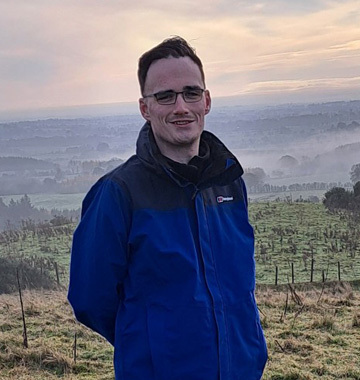
Daniel has a degree in Agricultural Science with experience working within the farm advisory sector and quality management. Daniel has a passion for farming with environmental sustainability in mind. Daniels desire is to work with farmers within our region to optimise their land from an environmental and biodiversity perspective while ensuring their farming enterprise and way of life is economically and socially sustainable.
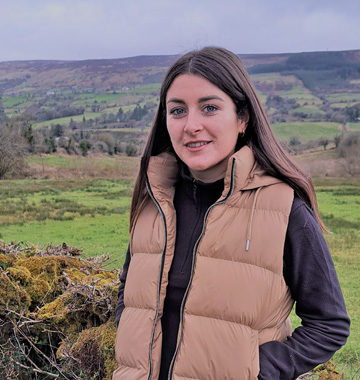
Naomi has spent the last number of years as a PhD candidate in ATU Galway working on High Nature Value farmland in Hen Harrier Programme areas and so has a deep understanding of results-based agri-environmental programmes. She is also a farmer in the Breifne region with practical knowledge of farming systems in HNV farmland areas and a keen interest in being involved with the farming communities that support them. Her wider interests include conservation and restoration of biodiversity and provision of ecosystem services.
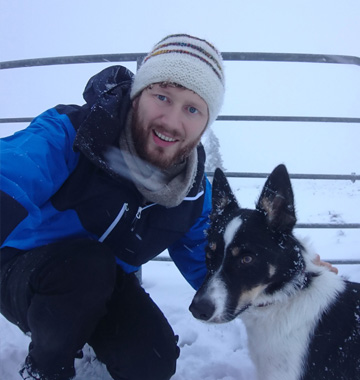
Hugh has an MSc in Applied Environmental Science from UCD and has experience surveying birds, butterflies, bumblebees and stream macroinvertebrates in the Wicklow Mountains, as well as grasslands and land use across Ireland. He is passionate about conserving uplands and rivers and enjoys spending his time in the mountains.
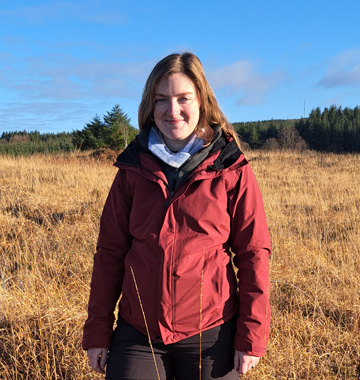
Kristina worked on delivering the Hen Harrier Programme, working mainly in the Slieve Aughty region since 2019. Through this, she has gained valuable experience in the running of a results-based agri-environmental scheme. She has a Masters in Biodiversity and Land Use Planning and a degree in Environmental Science, both completed in NUIG. She has a keen interest in ecosystem services, habitat restoration, farmland biodiversity and birds – particularly waders and raptors. Kristina enjoys working with farmers to support them in enhancing biodiversity on their farm.
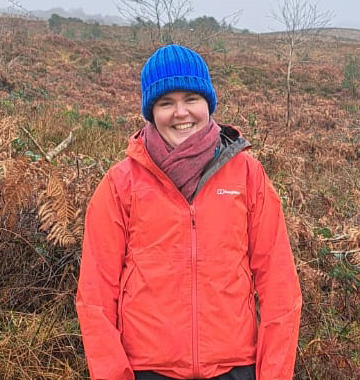
Tracy holds both a degree and a PhD in Environmental Science. Her PhD examined the potential of using slug-killing flies as biocontrols. She has a strong desire to use her experience in assisting High Nature Value farmland farmers in the adoption of practices that are conducive to their livelihood and beneficial to the environment. Her interests also include sustainable living and the circular economy.
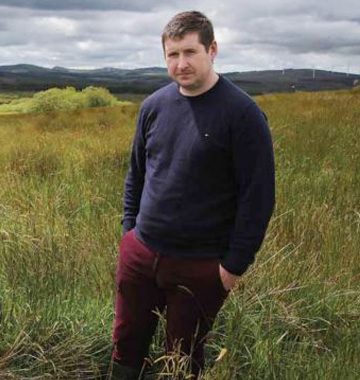
Eoin works across all the ACRES CP areas and is highly skilled at engaging with the agri-food sector and implementing innovative solutions for delivering ecosystem services in High Nature Value farmland areas. He has been involved in the design and development of results-based schemes, has 15 years’ experience as an Agricultural Consultant and is an Agricultural Science lecturer in MTU Kerry. He has particular interest in adoption of new technology and best practice on farms to address environmental issues.
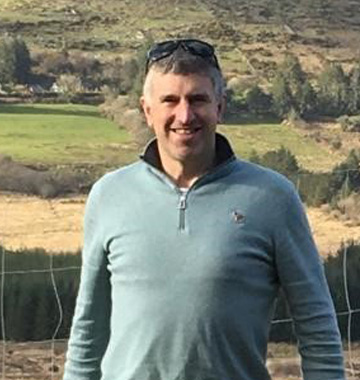
Padraig has over 20 years’ experience working in the agricultural sector. He was a project officer in the south-west region on the Hen Harrier Project EIP. An approved agricultural advisor, who holds specialist knowledge and experience in the design and development of results based agri-environment schemes, farmland biodiversity and freshwater habitats. He has a particular interest in peatland restoration, farmland birds and improving aquatic biodiversity at a farm level. Padraig is also a drystock beef farmer on HNV farmland in Co. Kerry.
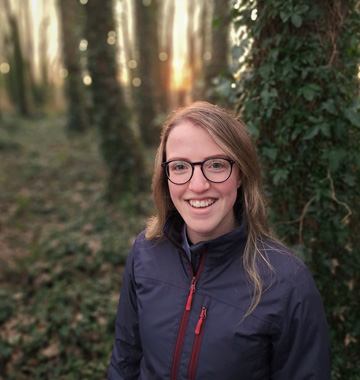
Anna comes from a farming background and studied a BSc of Veterinary Nursing in UCD. She worked as a Veterinary Nurse for several years before joining the Hen Harrier Programme in December 2022. She has an interest in farming and in her spare time enjoys hiking.
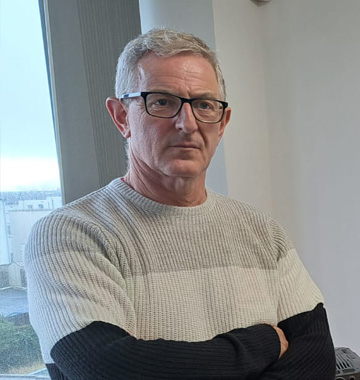
Dr Paul Naessens manages the drone data acquisition programme throughout all the Hen Harrier Programme ACRES CP areas. Paul completed a PhD on Medieval Gaelic Maritime Lordship at the University of Galway prior to establishing a commercial drone survey company (Western Aerial Survey) in 2014. Paul is one of the most experienced drone operators in Ireland and has worked on a range of large infrastructural projects throughout Ireland and the UK.
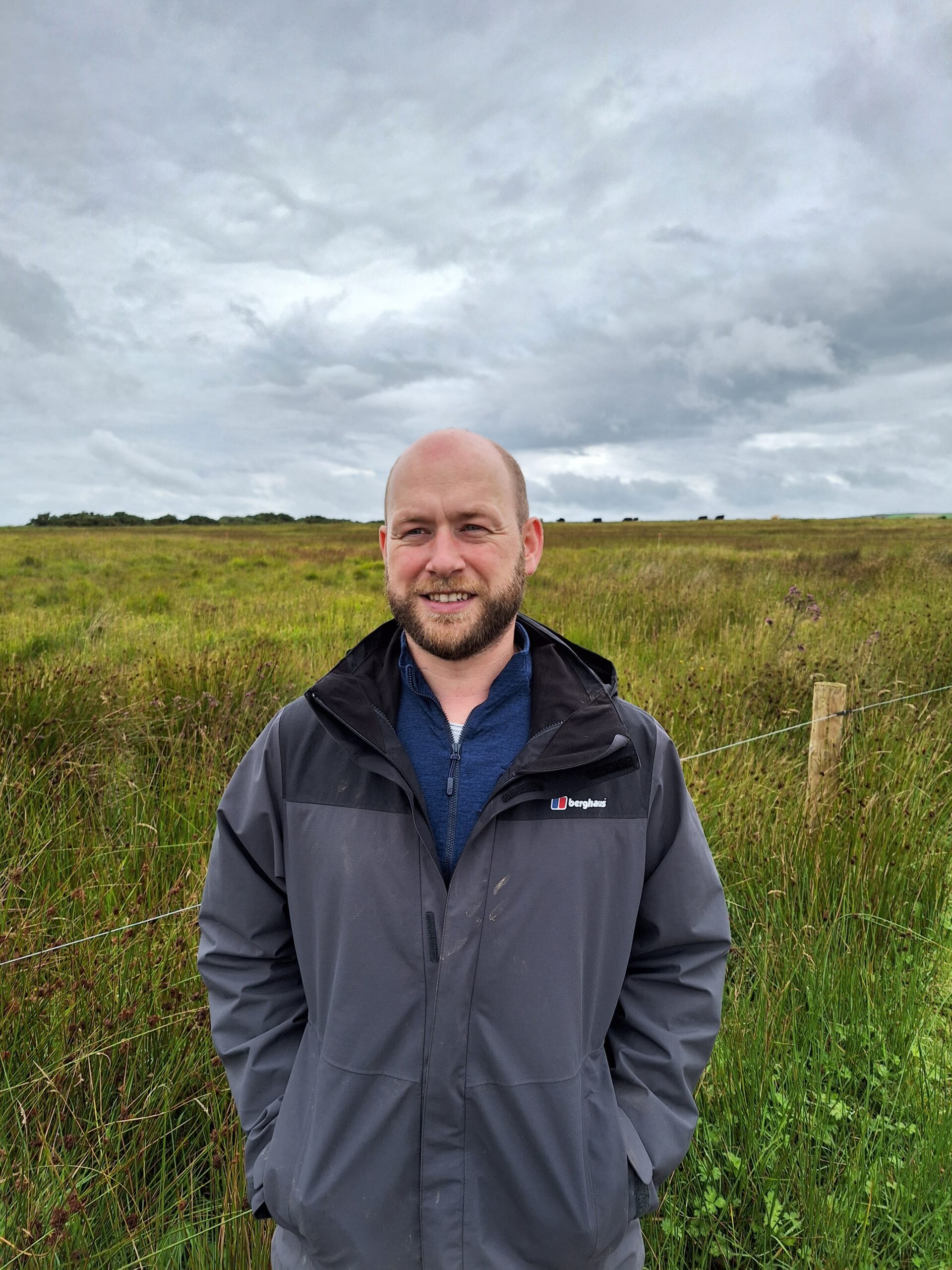
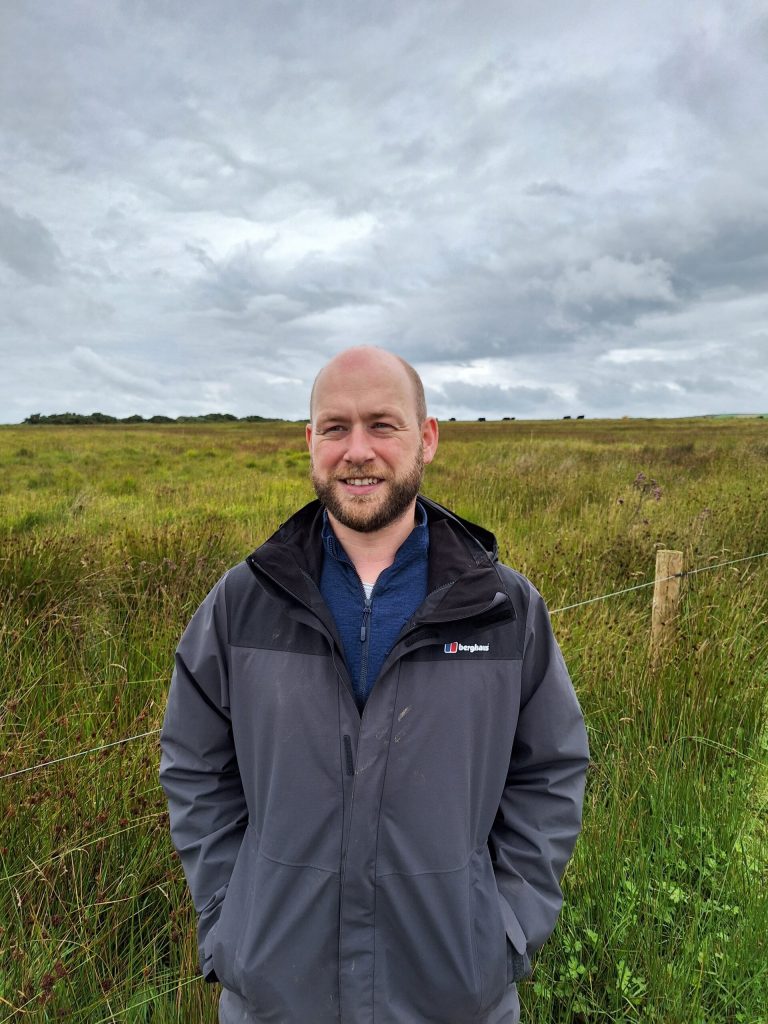
Brian comes from a farming family in the Wicklow Mountains. He worked on the SUAS EIP Project for five years which gave him valuable experience delivering an agri-environment project for farmers in the Wicklow and Dublin uplands. He has a degree in Environmental Biology and Masters in Plant Biology. He enjoys working with farmers and local community groups and is particularly interested in peatland restoration, farmland biodiversity and water quality.
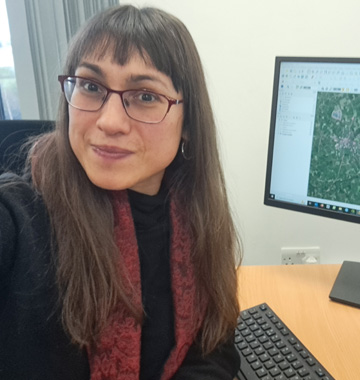
Sara Ruas is the Data Manager for all Hen Harrier Programme ACRES CP areas. She is responsible for developing remote sensing models and field data analysis of information collected by the rest of team and the advisors. Sara has a PhD in Environmental Sciences and worked as a post-doc in Teagasc on a HNV farmland and forest research project. Her main expertise and interests include landscape ecology, ecosystem services modelling, statistics, remote sensing, and agro-biodiversity.
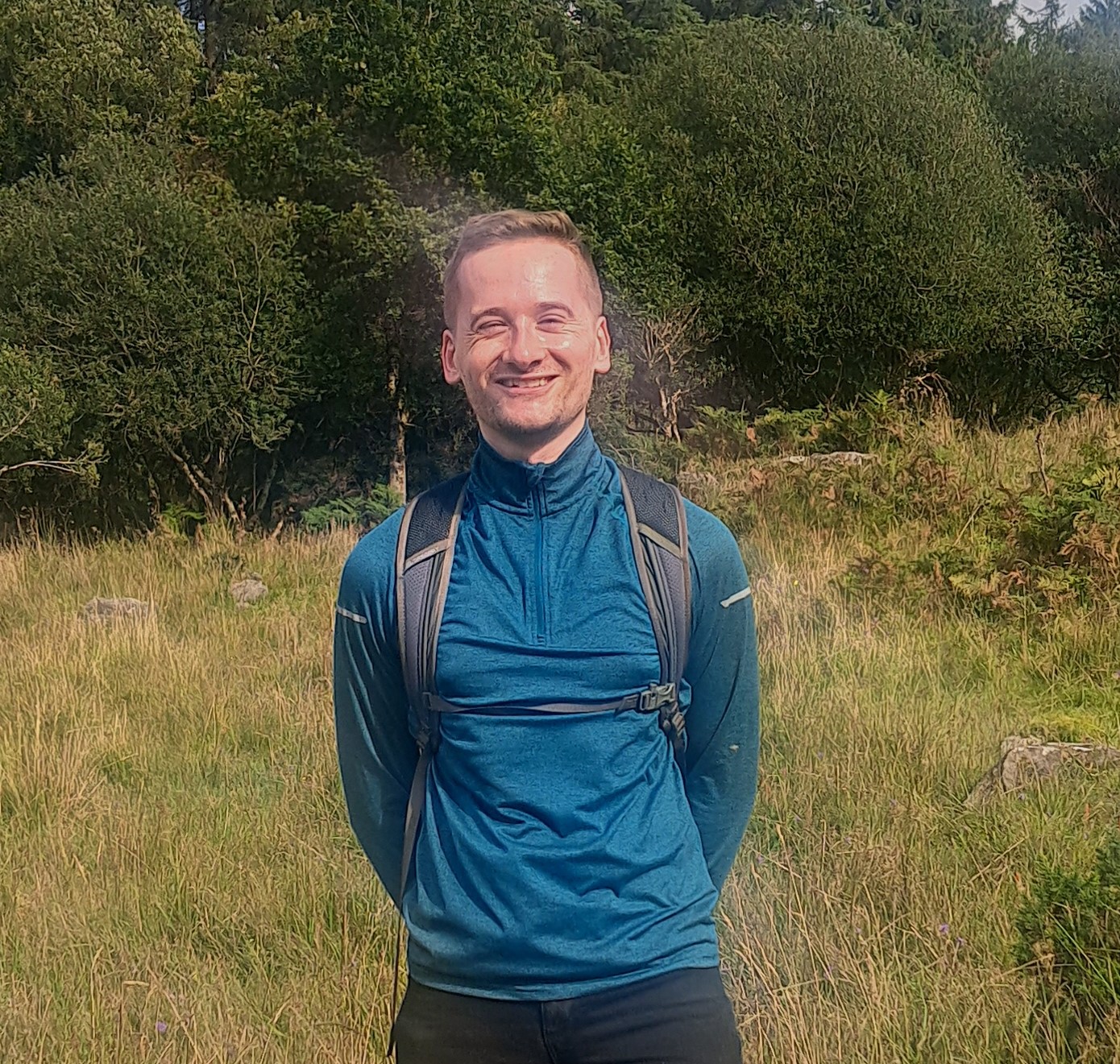
Fionn Murphy is an Environmental Data Management Officer in the Technical Support Unit. Fionn advises Senior Management and the Local Teams on how to extract value from data to help inform the development of the scheme. He has a PhD in Microplastic Pollution and has worked in Denmark developing strategies to improve the identification of microplastics in the marine environment.
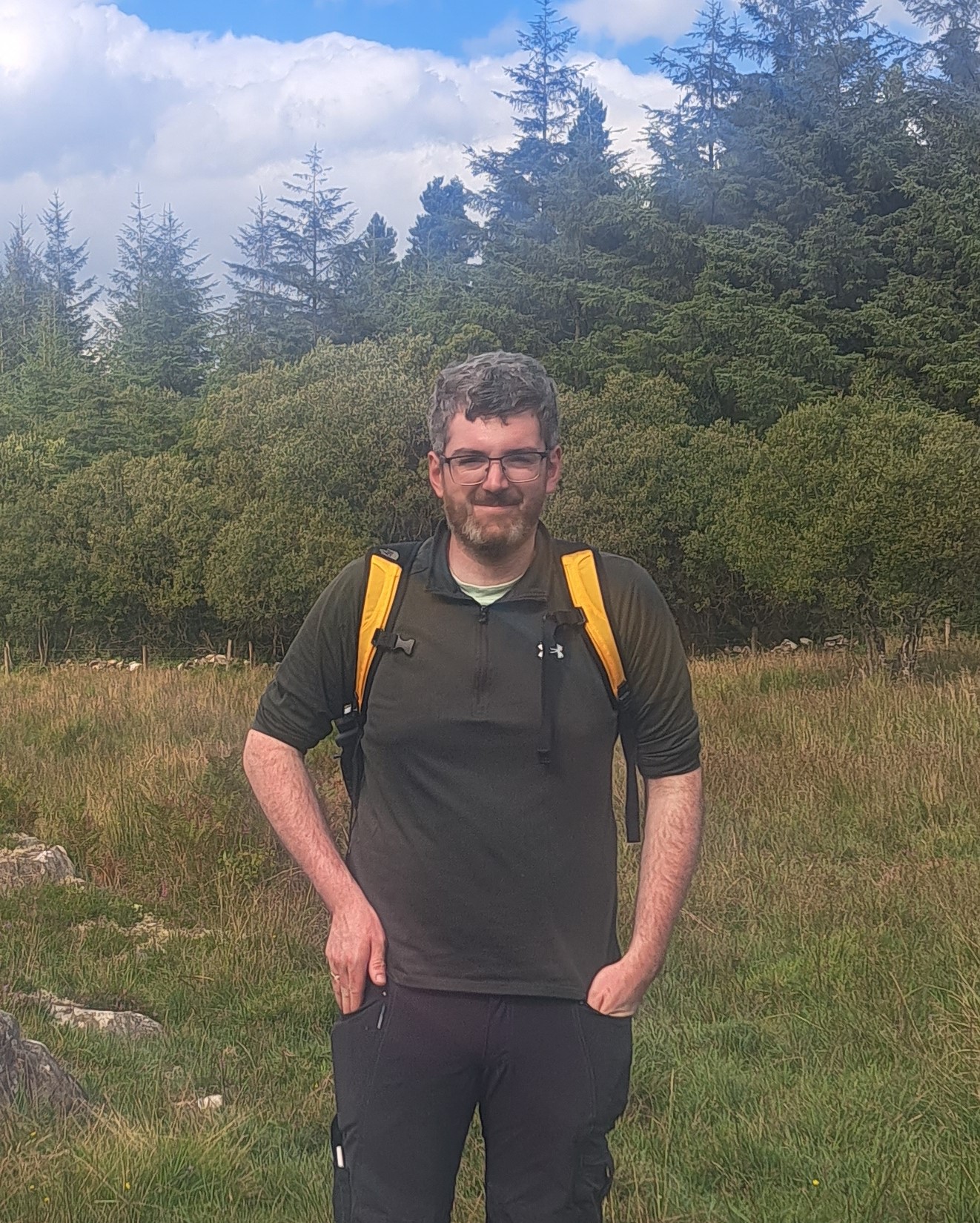
Keith has a degree in Environmental Science from NUIG. Keith has 2 years experience in ecological consultancy where he specialised in bat survey techniques and habitat improvement on a local scale. Keith has a strong focus on educating farmers on improving biodiversity while also improving the economic value of their farmland.
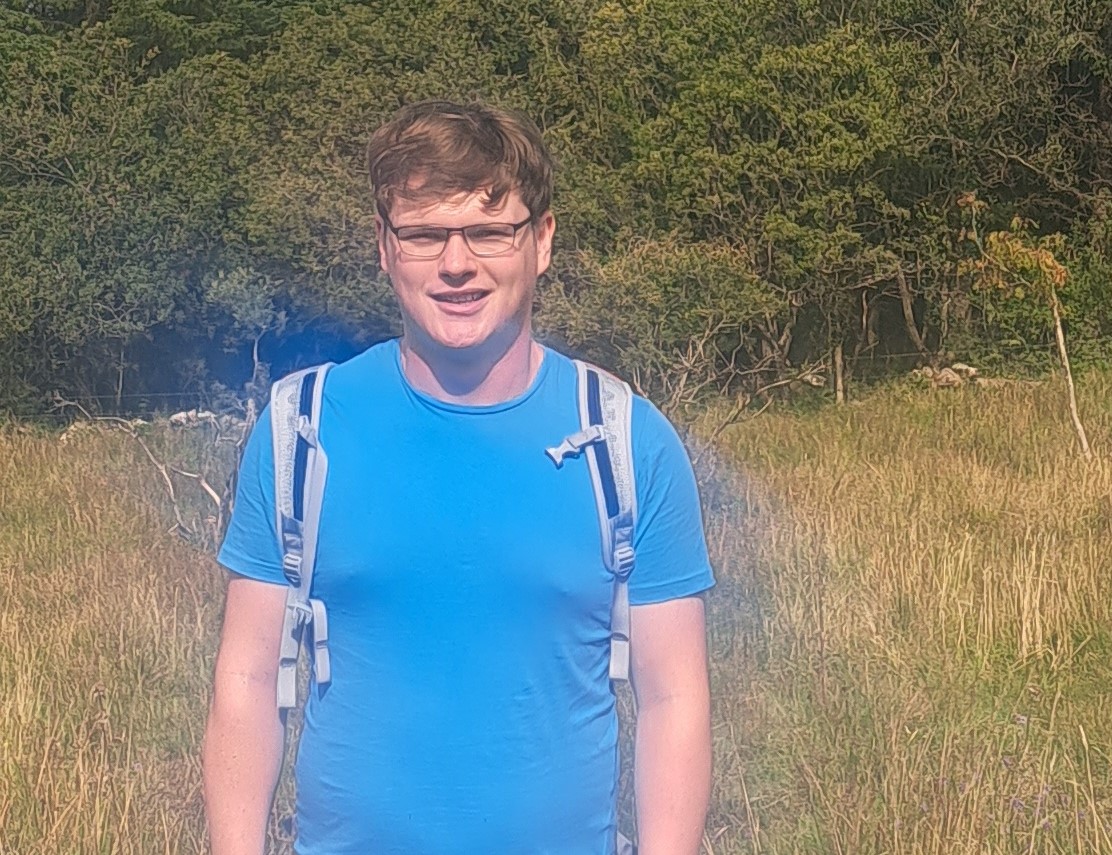
Shane holds a degree in Environmental science from University of Galway. He is passionate about farming and educating farmers on how to protect high nature value farmland. Shane aims to use his skills from Environmental science and own farming background to help local communities and farmers to enhance their environment.
Rory works across all three of the ACRES CP areas in order to ensure the preservation of archaeological monuments and other features of the historic landscape. Having worked as a professional archaeologist for 25 years, Rory has extensive experience of assessing and mitigating the impacts of proposed developments and land-use strategies on archaeological sites and historic buildings.
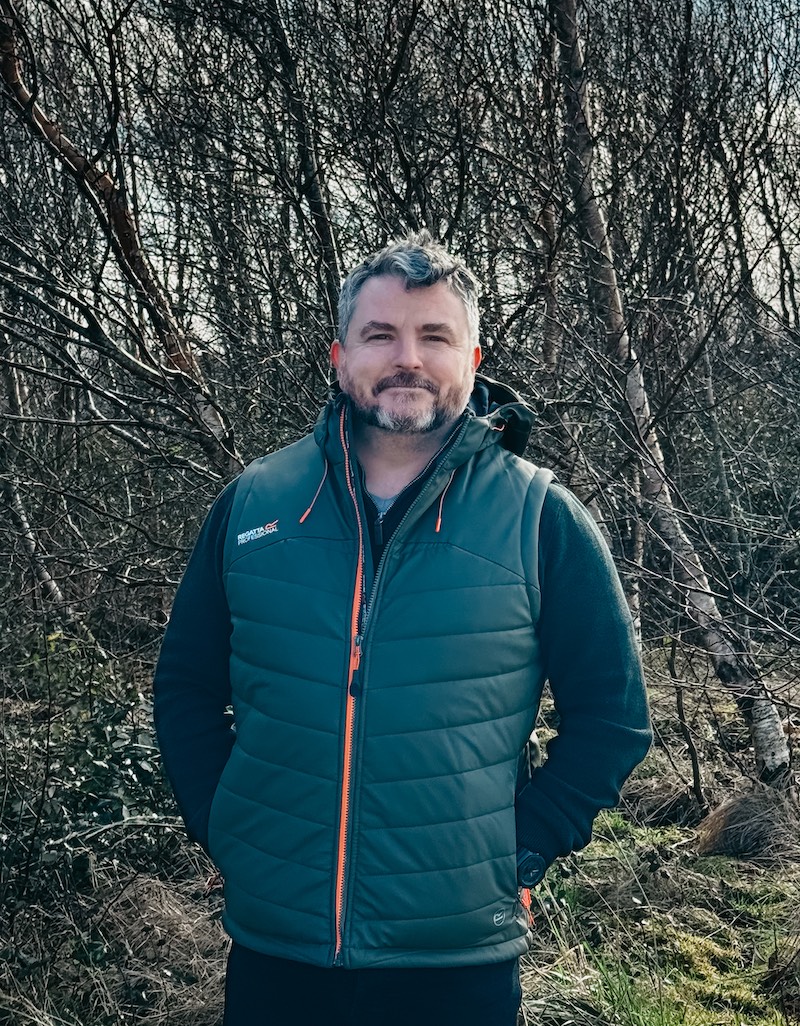
Alan Haverty is a seasoned Communications professional with extensive experience in marketing communications, branding, and communications strategies, bringing over 20 years of experience to the ACRES CP Technical Unit. Alan aims to leverage his extensive experience and passion for engagement to elevate the organisation’s communication efforts across all territories.
Specializing in business communications Alan’s role is to drive our online and offline presence and foster meaningful connections with stakeholders, community groups and the wider public through local community activities. It is essential that we promote a collective urgency around the rejuvenation projects, bio-diversity schemes and initiatives aimed at radically improving Ireland’s landscape.
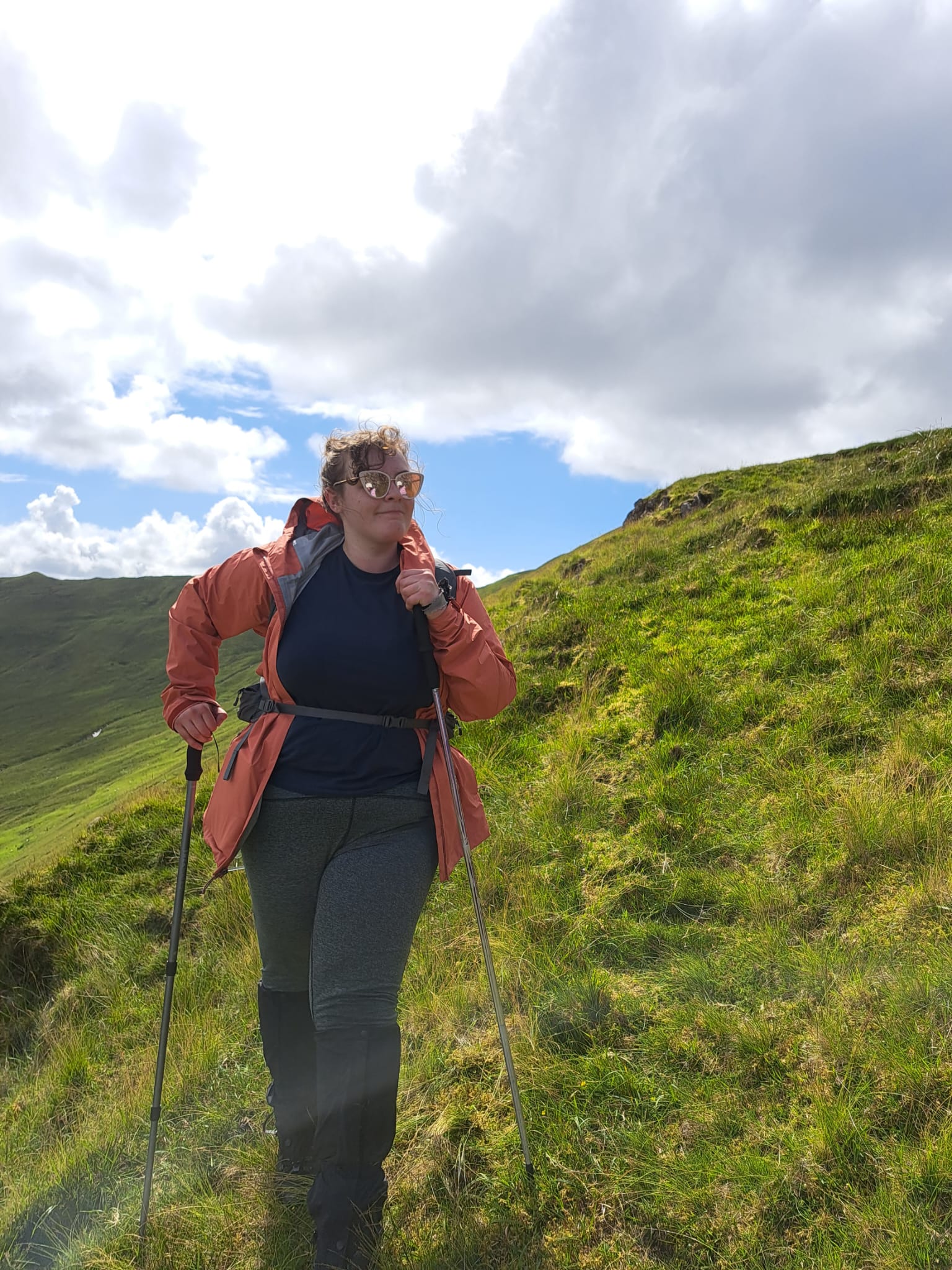
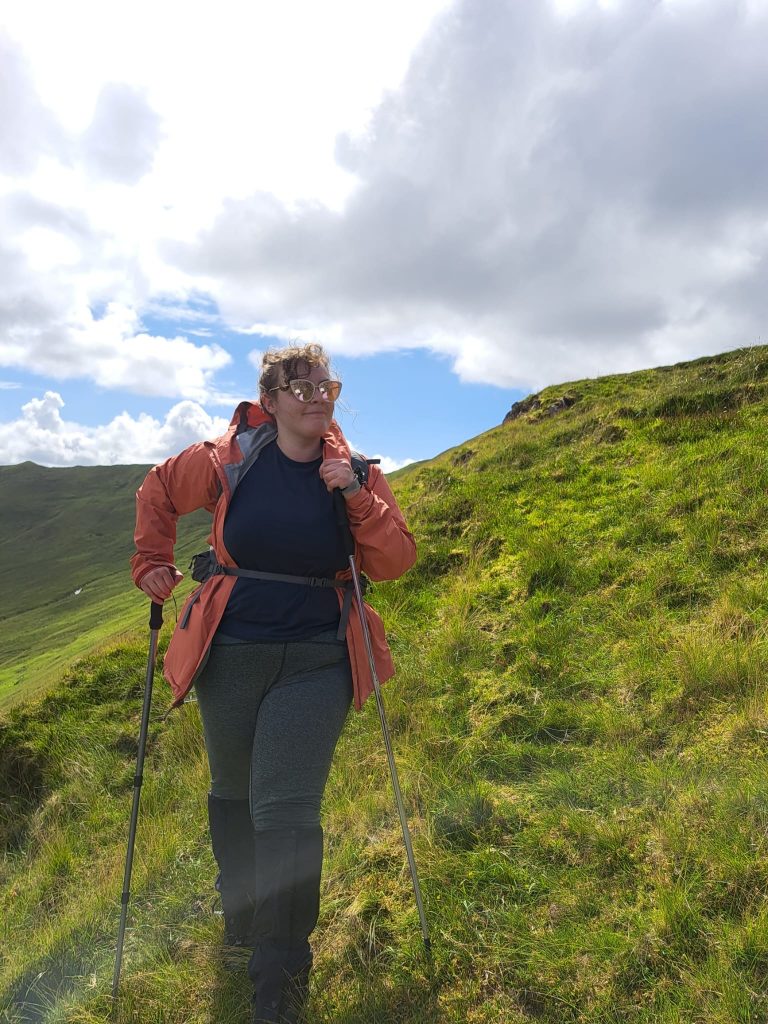
Aífe is a Leitrim native with a masters degree in Sustainable Agriculture and Rural Development. She is a former researcher and lecturer in Agribusiness and the Sustainable Development Goals in University College Dublin. She has spent the past few years working as a facilitator with community groups across the border region. She is passionate about regenerative farming, community-led decision making, and sustainable farm livelihoods.
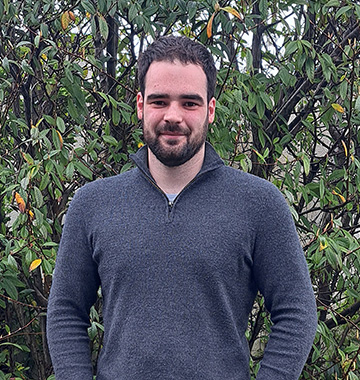
Noel has a degree in Agricultural Science and a postgraduate diploma in Sustainable Agriculture & Land Use with Innovation from Munster Technical University. Noel is from the Glencar valley in the heart of the Dartry Mountains in North Sligo and with a background in upland farming on High Nature Value farmland, Noel has practical knowledge of upland farming systems and the challenges they face. He aims to collaborate with farmers and local communities to enhance their land’s biodiversity value, while maintaining the economic sustainability of their enterprise.
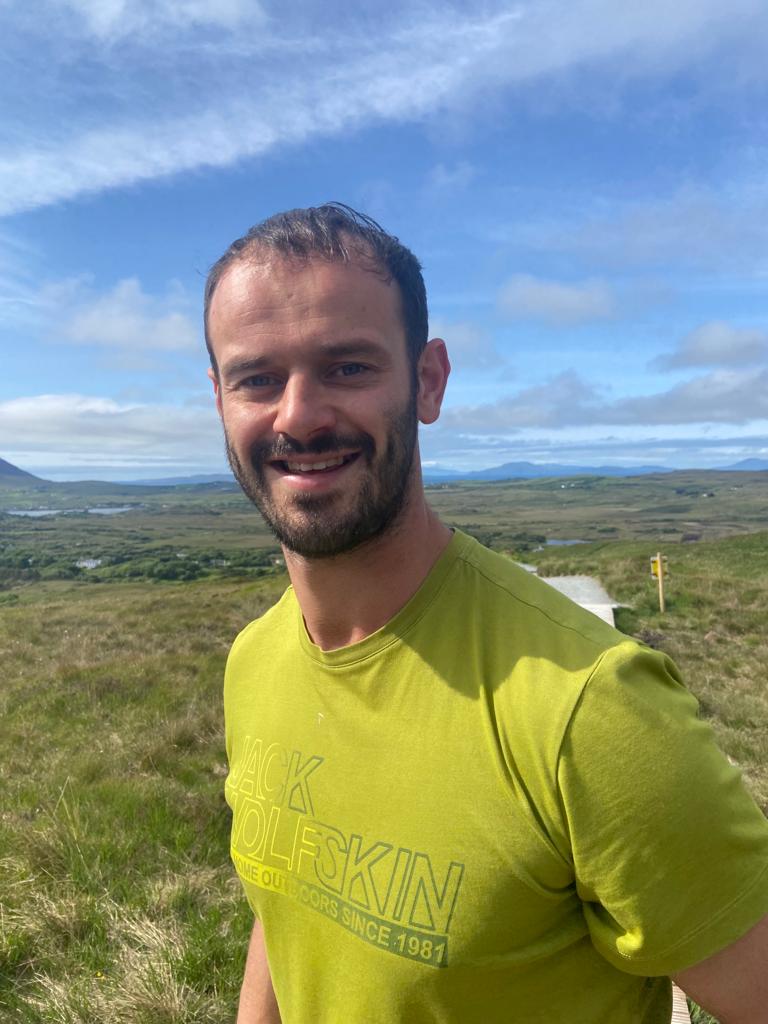
Kelvin is from a farming family in the Sliabh Luachra/ Mount Eagle area of Co. Kerry and has a practical knowledge of  the challenges facing HNV farmland.
He has a degree in Agricultural Science from Munster Technical University and has experience working in the environmental monitoring and soil testing sectors.
Kelvin is excited about the opportunity to engage and educate farmers and the wider community on issues such as water quality, nutrient management and peatland restoration.
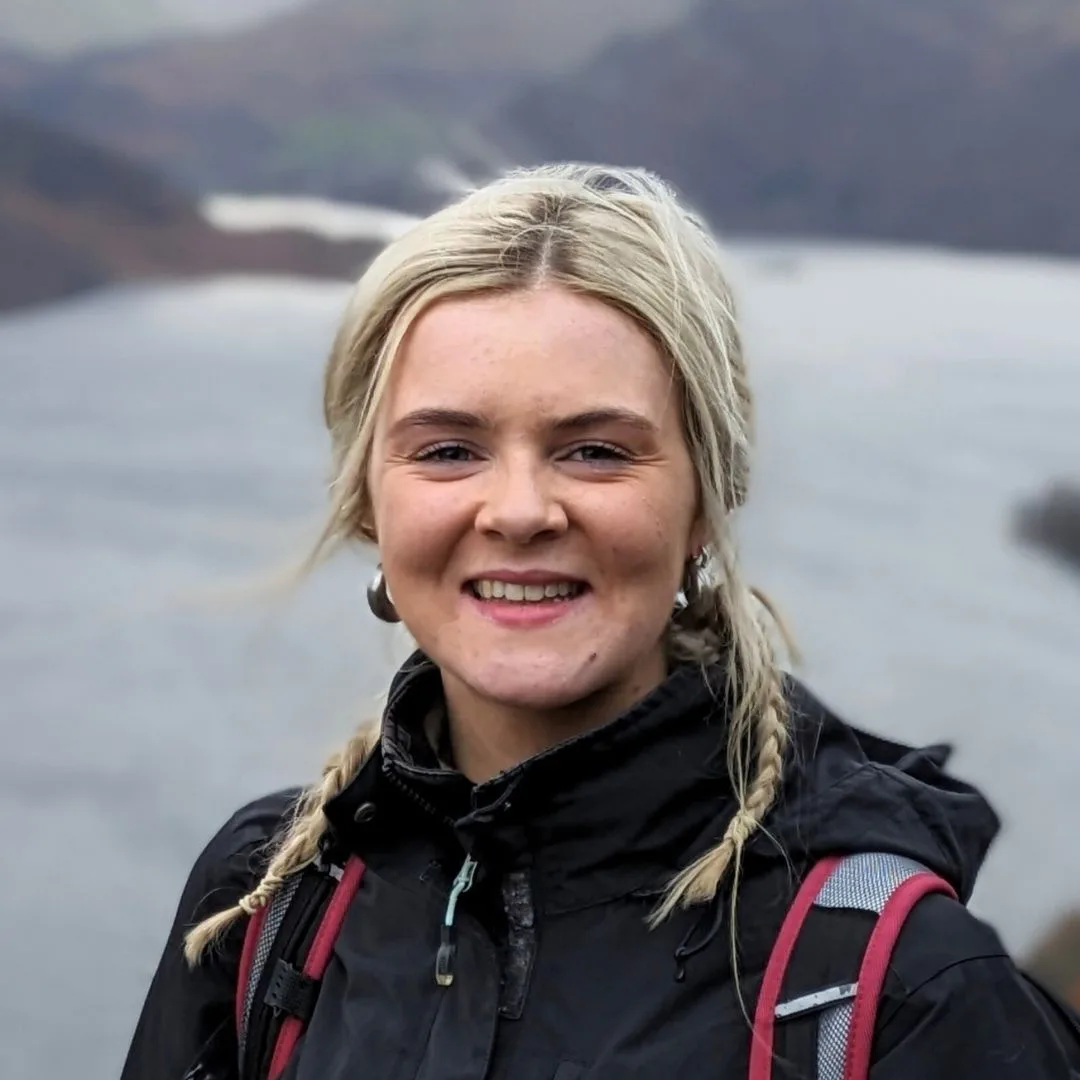
Eva is from Listowel, Co. Kerry and grew up neighbouring her uncles dairy and suckler farms. After completing a BSc in Zoology and an MSc in Microscopy and Imaging at the University of Galway, she worked as a bioimage analyst in the Netherlands and the UK developing her skills in data science and image analysis and is now focusing on ecology services with ACRES Munster / South Connacht in our Tralee office.
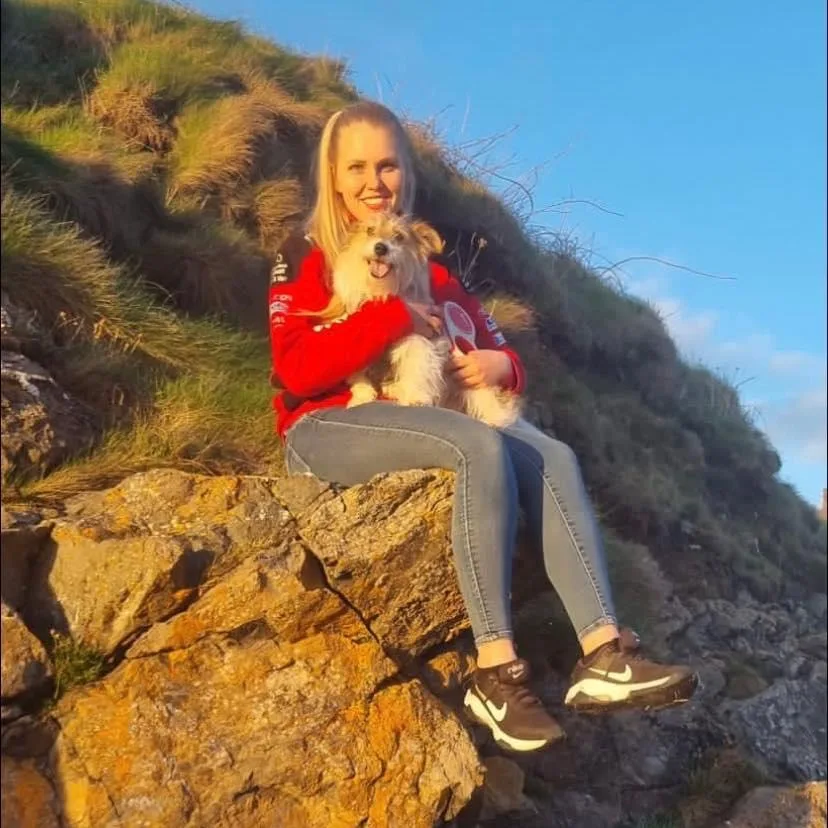
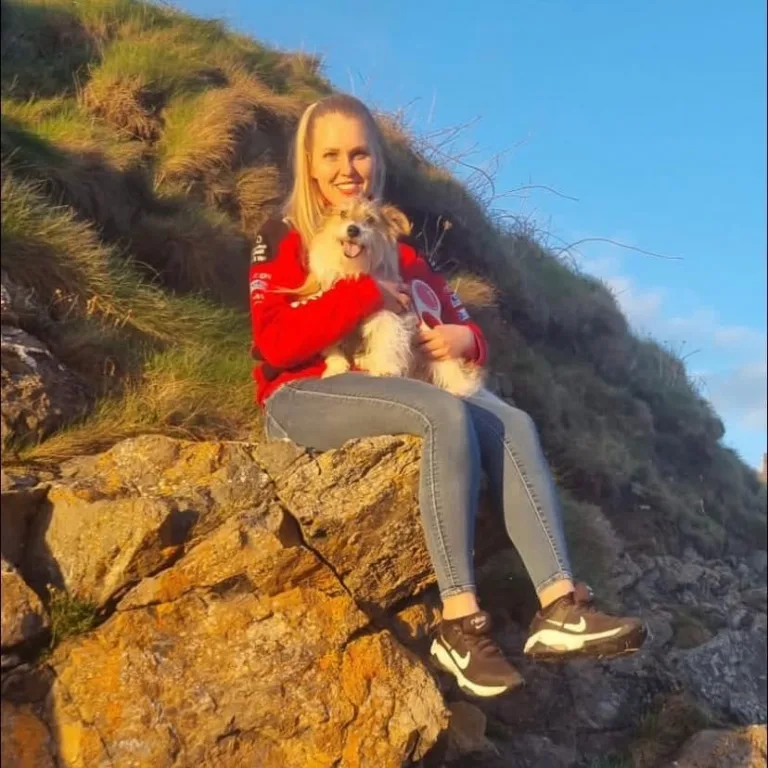
Dr. Rachel Irwin joins the Breifne team, bringing extensive experience from her previous role as Senior Agri-Ecologist and Head of the Agri-Ecological Division at Woodrow Sustainable Solutions. In this capacity, she led complex projects centred on biodiversity enhancement, habitat management, and environmental compliance. With over six years of experience in ecological and agricultural research, Rachel specialises in sustainable land management and agroforestry. She holds a PhD awarded through the Teagasc Walsh Scholarship Programme, with her research focusing on promoting agroforestry uptake on Irish dairy and drystock farms by engaging farmers and stakeholders and by fostering behavioural change. Her work has been published in numerous reputable peer-reviewed journals and has gained several awards, including the Walsh Scholar of the Year Award in the Crops, Environment and Land Use category.

Kevin has a background in law having qualified as a solicitor with the Law Society of Ireland in 2019. His interest in ecology led him to complete a Masters Degree in Environmental Management and GIS with a MSc research focus on bat species and artificial lighting at night. Kevin has also worked as an environmental consultant and has a broad knowledge of terrestrial ecology and environmental policy and legislation including Environmental Impact Assessments and Appropriate Assessments. He has a keen interest in High Nature Value farming and its potential for biodiversity conservation and nature restoration.
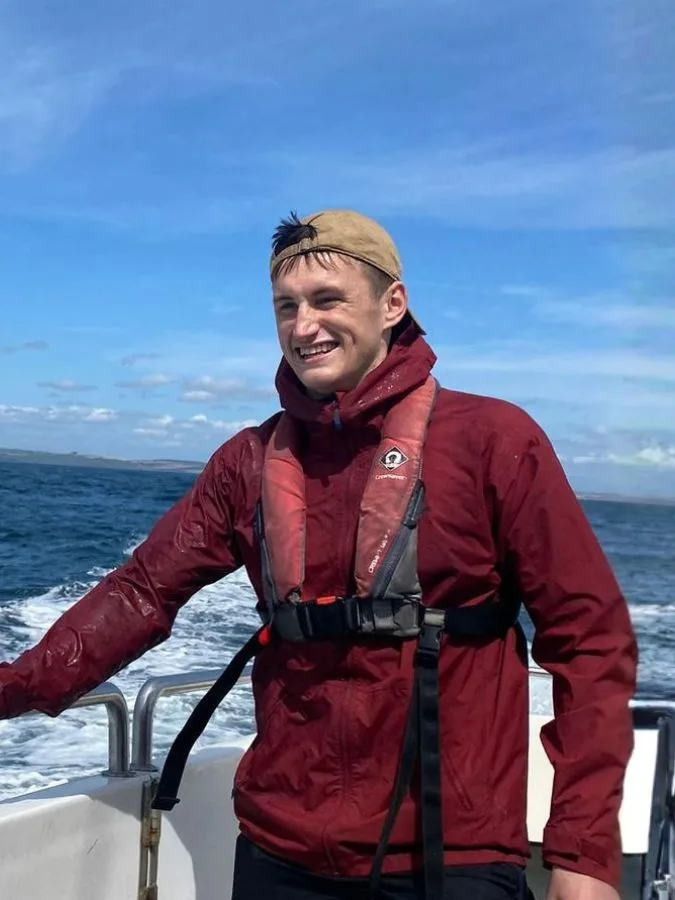
Eoin is from Killavullen in County Cork and grew up working on a neighboring beef farm, where he gained firsthand experience of the ups and downs of life as a beef farmer. He holds a degree in Environmental Science from the University of Limerick. Eoin aims to combine his academic knowledge with his practical agricultural experience to promote and protect high-nature-value farmland through sustainable solutions. With a passion for outdoor activities, he hopes to support the sustainability of upland areas while ensuring the economic viability of farming.
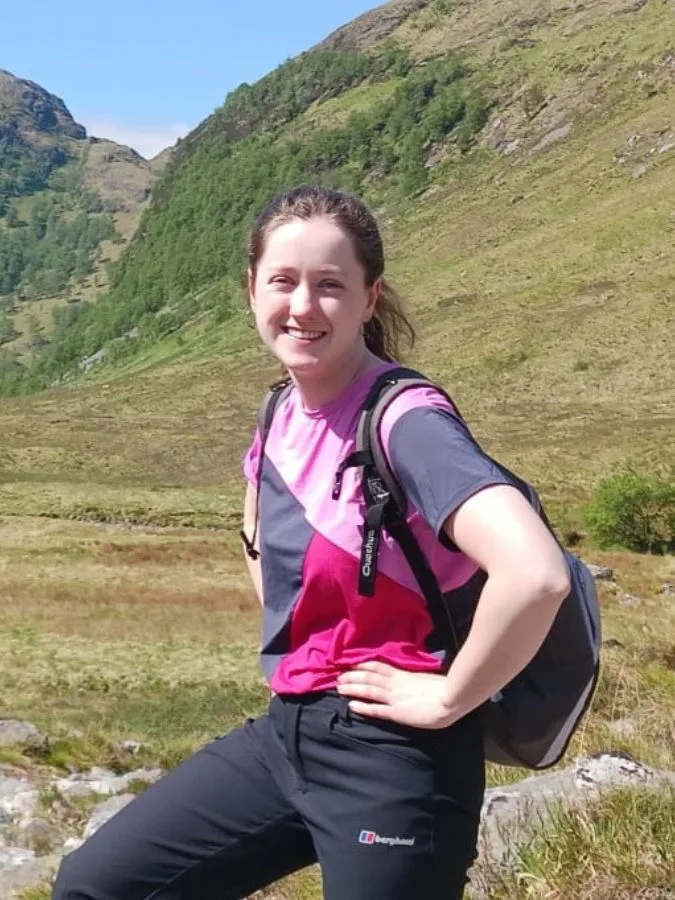
Bríd is from Tipperary and has a degree in Agricultural Science from the University of Galway. She completed her placement at Rothamsted Research focusing on climate resilience in agriculture. Bríd is particularly interested in high nature value farming and is looking forward to engaging with local farmers and communities. Her interests also include hiking and the outdoors.
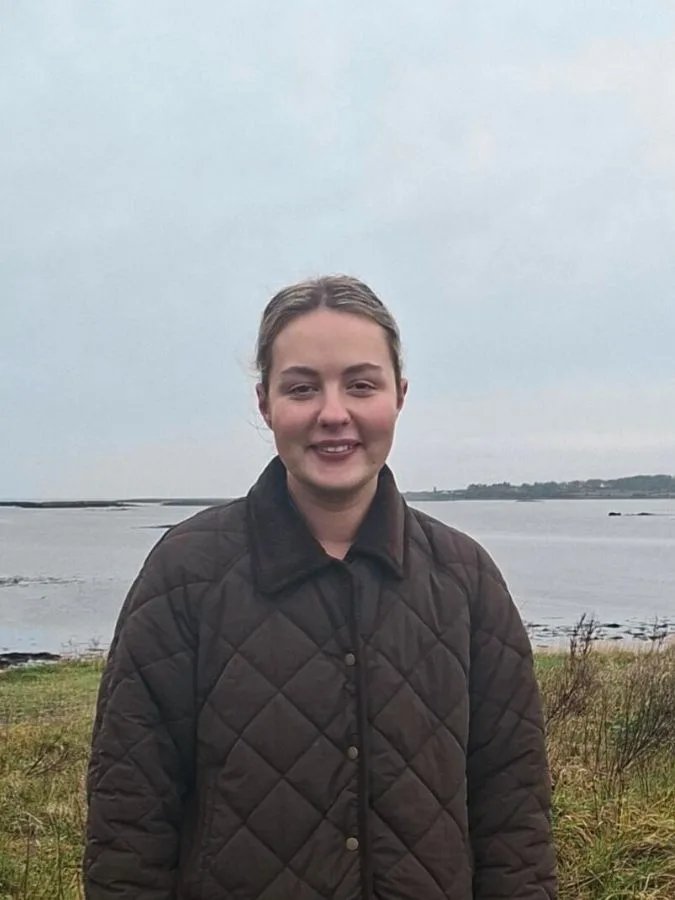
Mary Ryan is from Dungarvan, Co. Waterford. She has a Bachelor’s Degree in Agricultural Science from Munster Technological University Kerry. She has a farming background growing up on a Dairy and Beef farm. Mary has previously worked in the Sustainable Use Division in the Department of Agriculture, Food and Marine, surveying farmers on Pesticide Usage. Mary has a keen interest in Water Quality and Biodiversity.
Over the past six years, the Hen Harrier Project has worked with…

Sponsored Winter Walk Collectively we hope to raise €2,000 for the Samaritans…
GORDON D’ARCY has worked as a consultant on a wide range of…